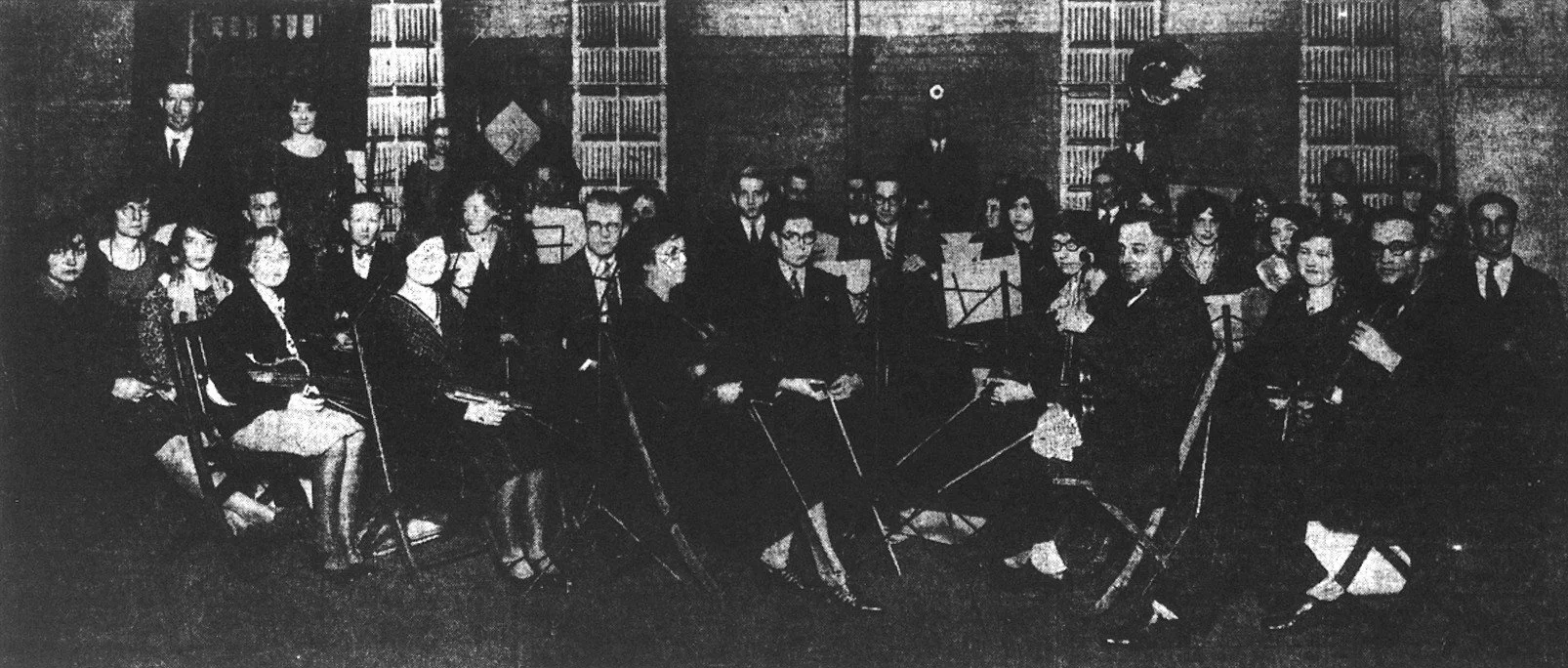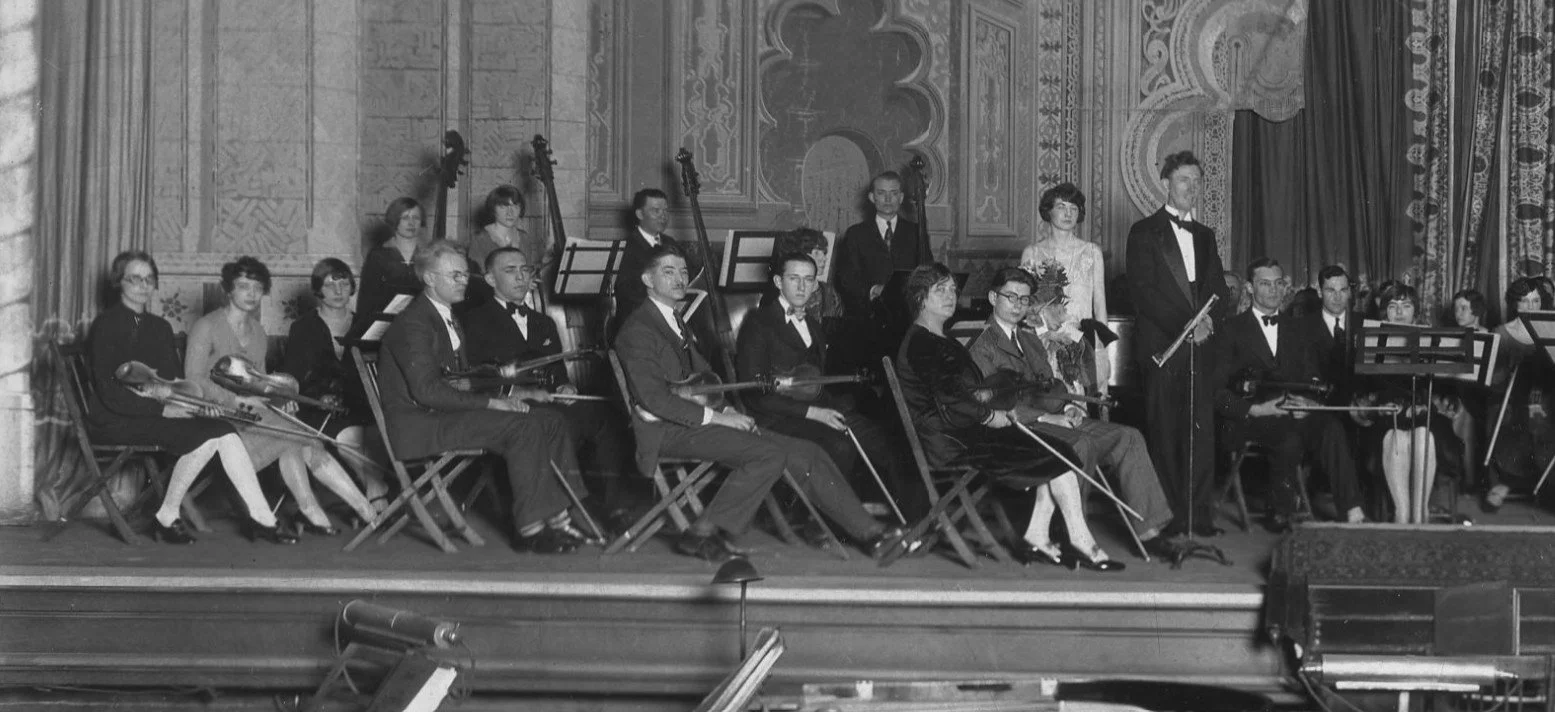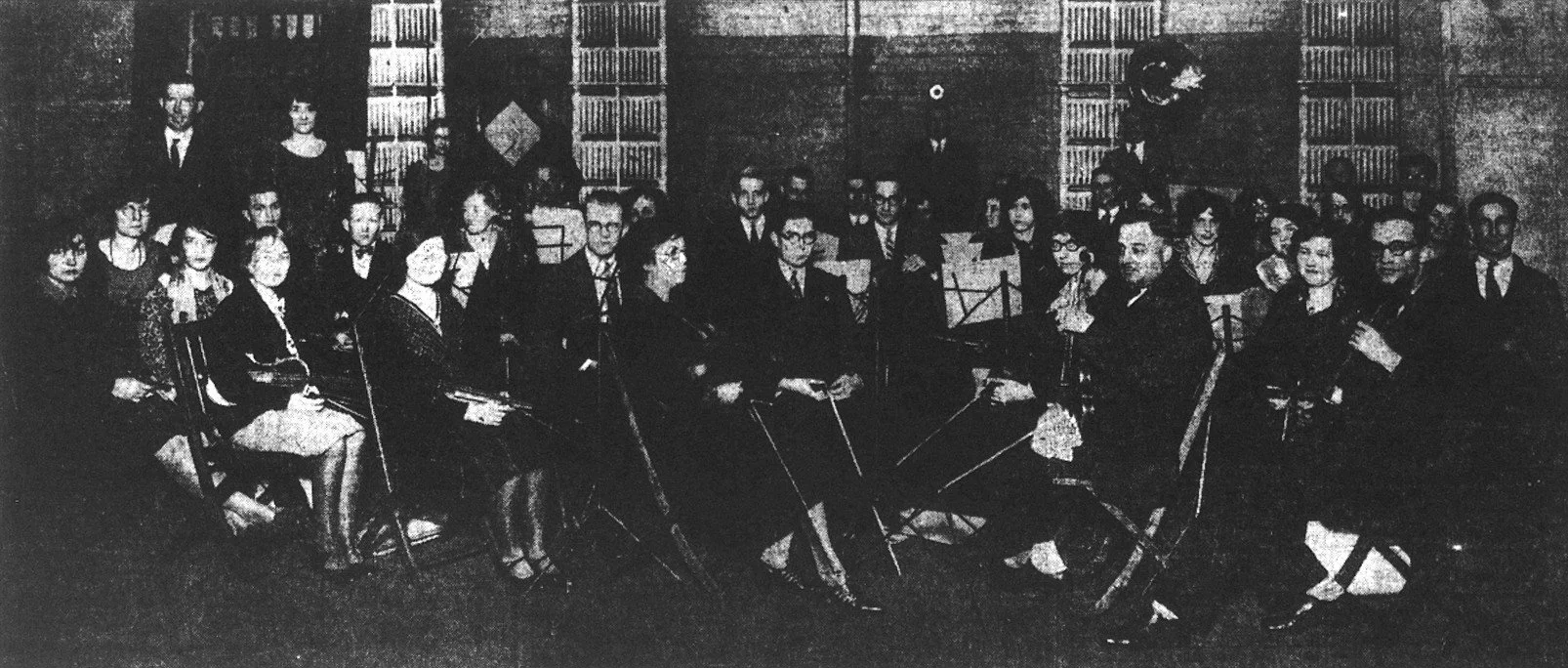
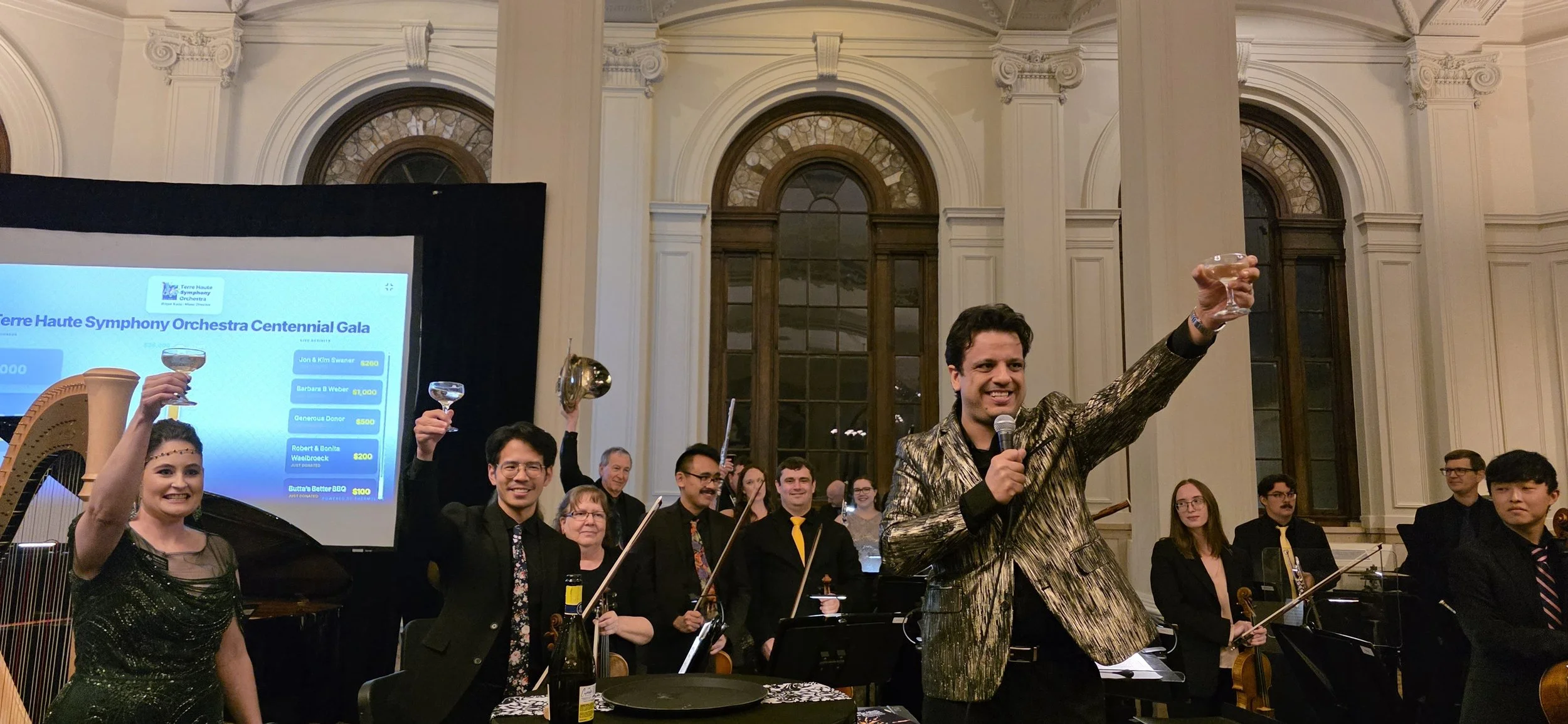
The THSO Centennial Gala took place in O’Shaugnessy Hall at St.-Mary-of-the-Woods, last Thursday, September 10, 2026. I am pleased to say that it was a huge success!
Read More
Learn about the first 100 years of the Terre Haute Symphony Orchestra!
The THSO Centennial Gala took place in O’Shaugnessy Hall at St.-Mary-of-the-Woods, last Thursday, September 10, 2026. I am pleased to say that it was a huge success!
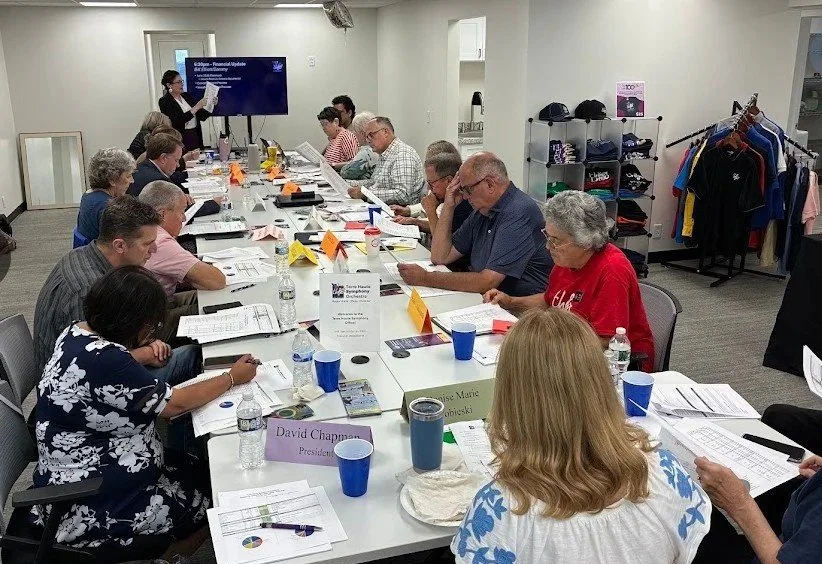
Read MoreOn the evening of August 13, 2026, the Board of Directors for the Terre Haute Symphony Association met to kick off its 101st season. The meeting capped several weeks of extraordinary effort by THSA staff and volunteers to move the THSA offices from 6th and Cherry to a newly renovated facility near 6th and Walnut. It was a moment to celebrate how far we have come in the last century and to begin focusing our attention on the challenges ahead in the next 100 years.
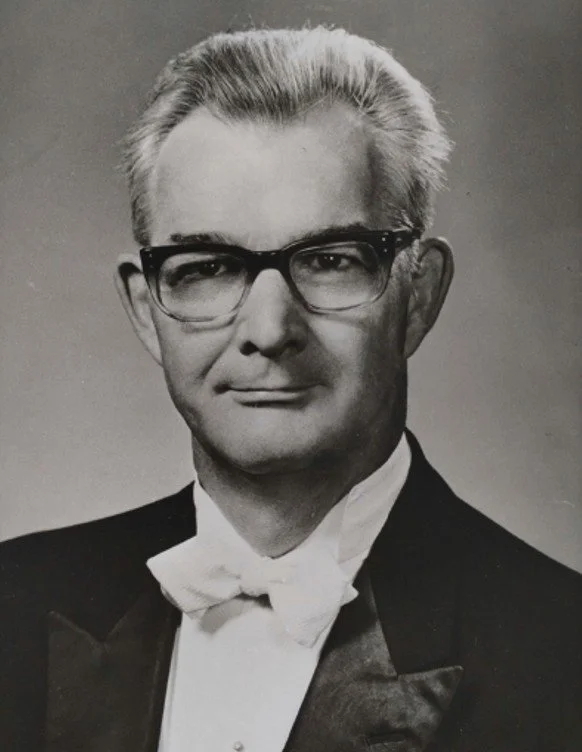
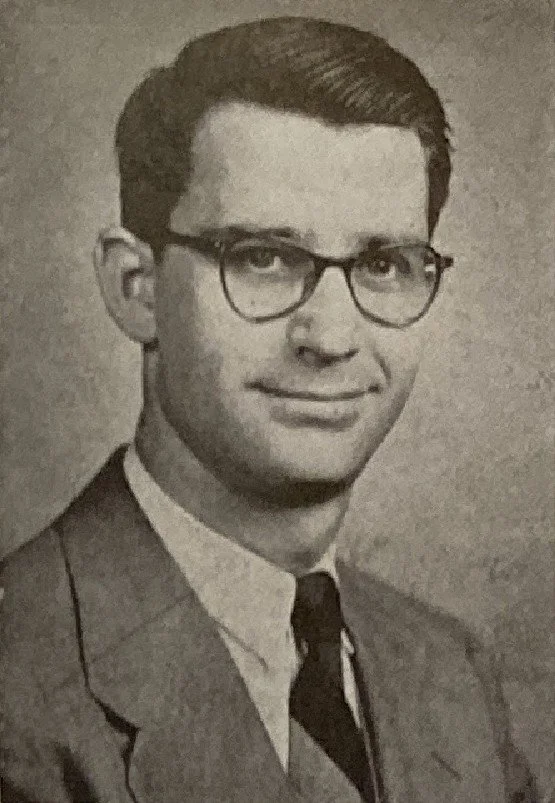
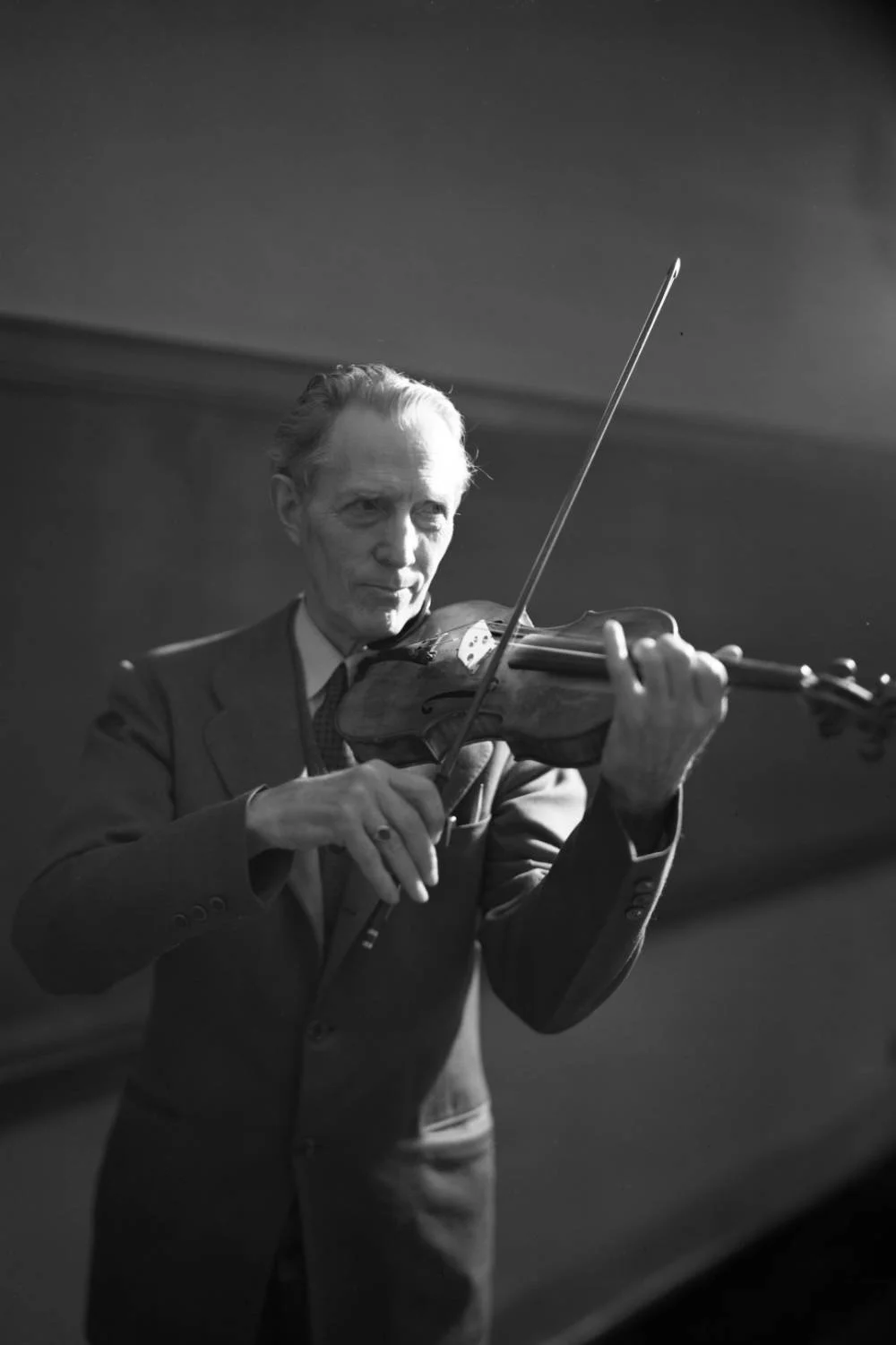
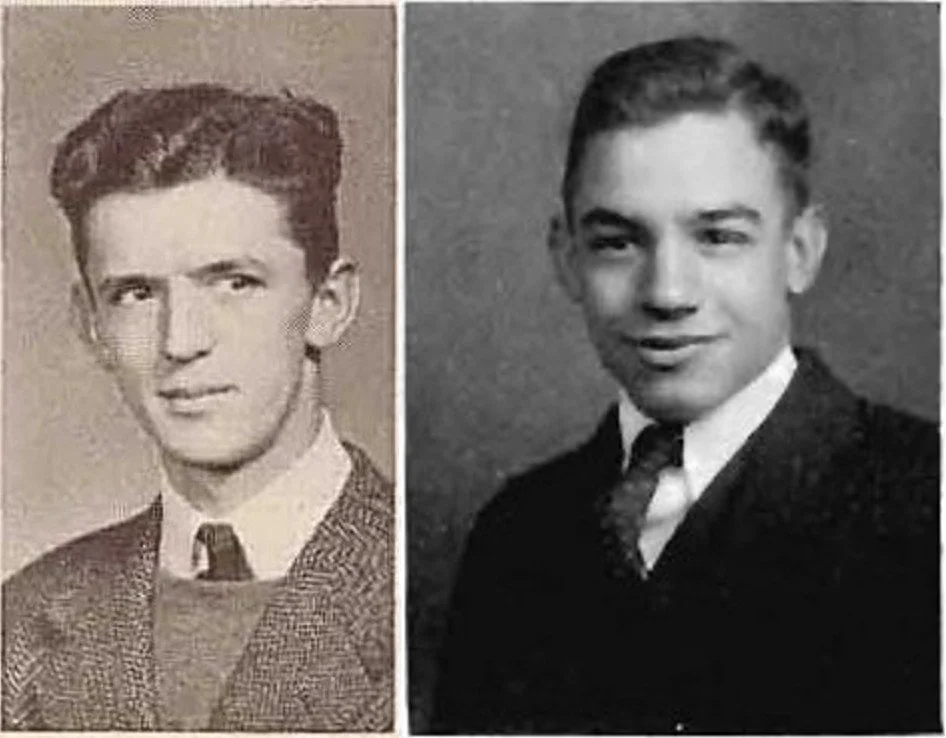
Read MoreVictor Danek was no stranger to the THSO when he took over as conductor in 1970. Like his predecessor James Barnes, Danek had played violin in the orchestra before he was promoted to the podium. But unlike Barnes’ single season as a section player, Danek had been principal second violin for all six years of his tenure as a THSO musician before becoming conductor.
Actually, it was Danek who performed the last concert of the Barnes era…
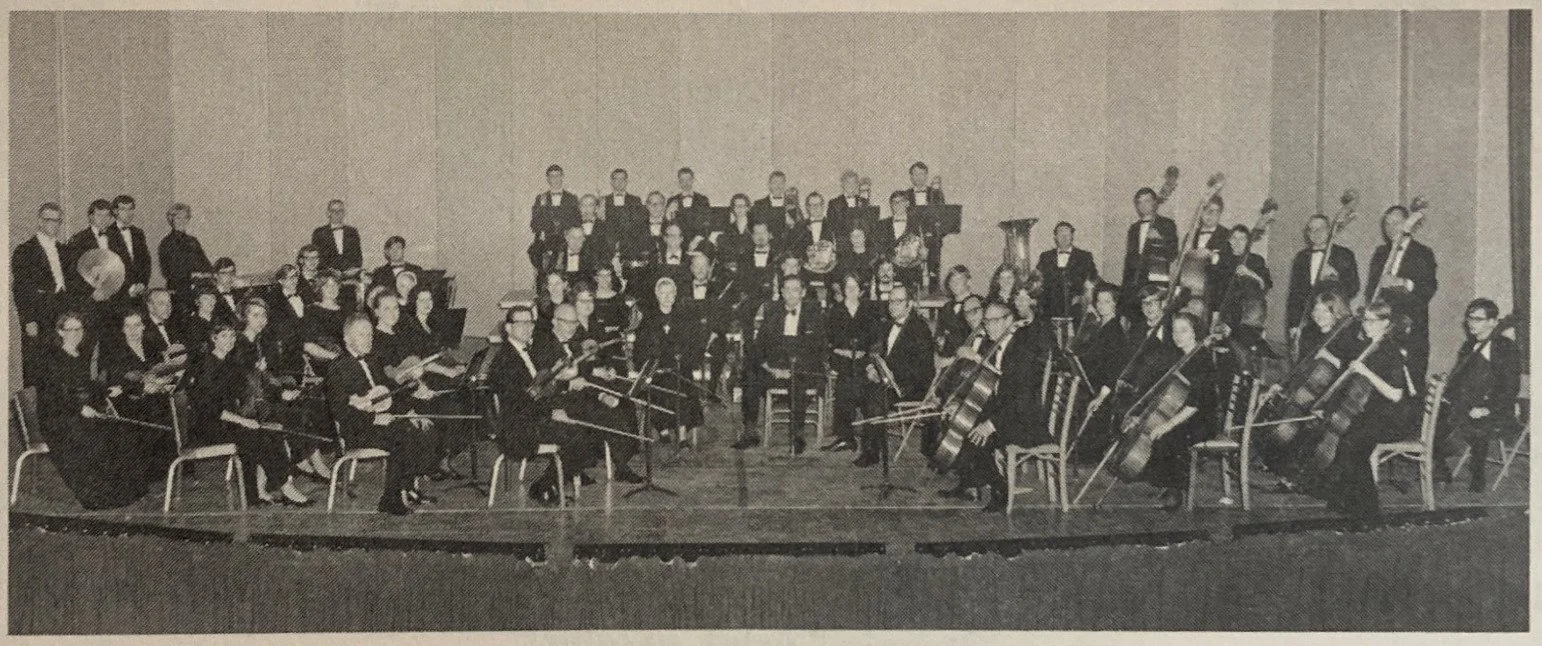
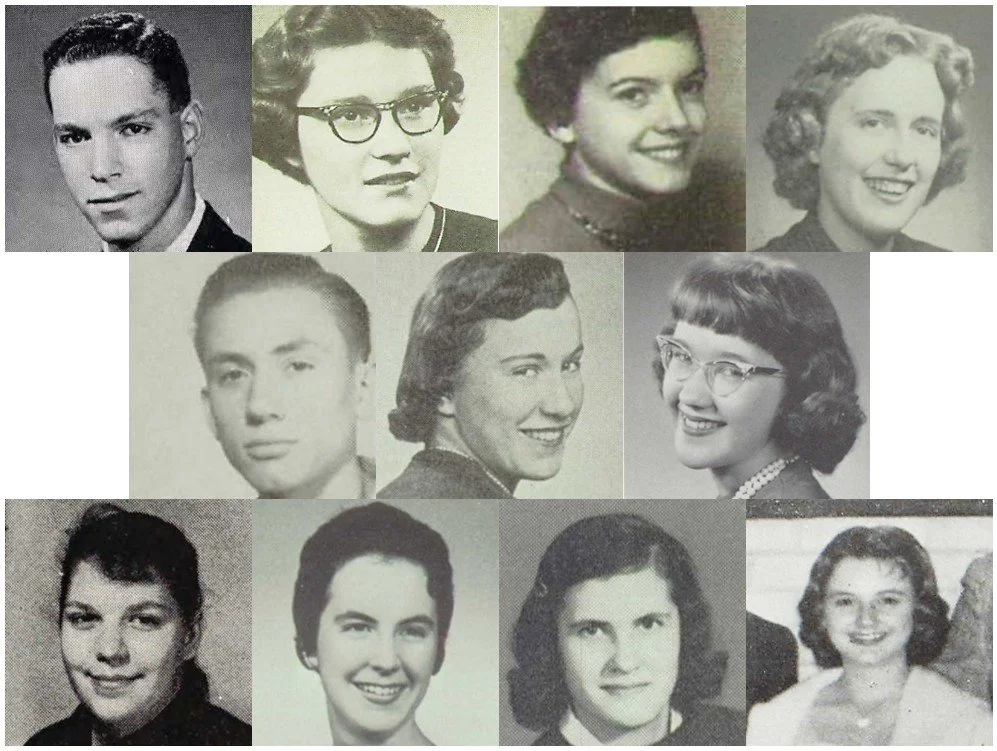
Read MoreI’m still working on a big post about Victor Danek’s era with THSO, 1970-1978, and that is coming slower than I would like due to summer distractions! In the meantime, please enjoy this list of musicians known to have performed in the THSO during Danek’s directorship.
Read MoreIt’s vacation week for me, and so I will be on a small hiatus for the next two weeks. In the meantime, please enjoy this list of known and documented musicians who performed in the THSO during the directorship of Jim Barnes!
Read MoreThroughout its history, the Terre Haute Symphony Orchestra has been connected in fascinating ways to larger currents in American cultural life. The 1960s were no different. In this post we encounter three episodes from the Sixties: a modern dance pioneer whose appearance was overshadowed by national tragedy, an African American singer at the height of his fame, and a jazz legend taking a surprising turn toward sacred “classical” composition. Taken together, these episodes reveal an orchestra increasingly engaged with cultural developments far beyond the Wabash Valley.
Read MoreIn observance of the 250th U.S. Independence Day tomorrow, and to give our staff a proper vacation — their first break since Christmas, bless them! — our THSA offices will be closed July 2-10. We look forward to serving you again starting July 13th!
And on the blog today, we pause our time-traveling journey through the THSO century to observe that, 100 years ago, our orchestra took its first summer break! In early July 1926, after several months of weekly rehearsals, the Terre Haute Symphony Orchestra declared a recess. The orchestra had not yet performed publicly, and there were not yet plans to do so. That would change in autumn, when the Woman’s Department Club invited Will Bryant to provide music at their annual Guest Day event. But that was still months away, and only we know that looking back from the future!
Read MoreOur previous post ended with Margaret Beecher’s happy but frank assessment of the Terre Haute Symphony Orchestra in May 1961. Overall, she observed that the THSO lacked nothing in quality or energy, and she noted especially the excellent leadership of conductor James Barnes. However, she insisted, an orchestra doing its best work is also an organization with great needs. The support infrastructure surrounding the orchestra had not kept pace with its overall growth and this was clearest when comparing the THSO to its peers in other towns. What was needed was a women’s auxiliary league…
Read MoreIn March 1961, local newspapers announced that the Terre Haute Symphony Association and the Wabash Valley Civic Music Association had merged. It was a noteworthy consolidation of two major institutions in the region’s classical music community. It meant that the THSA, which to that point had only overseen the THSO, would now also host several non-THSO performing arts events, including ballets, operas, solo recitals, and more. Today’s post explores Civic Music Associations: what they were, how our city came to have one, and how it became part of the THSA.
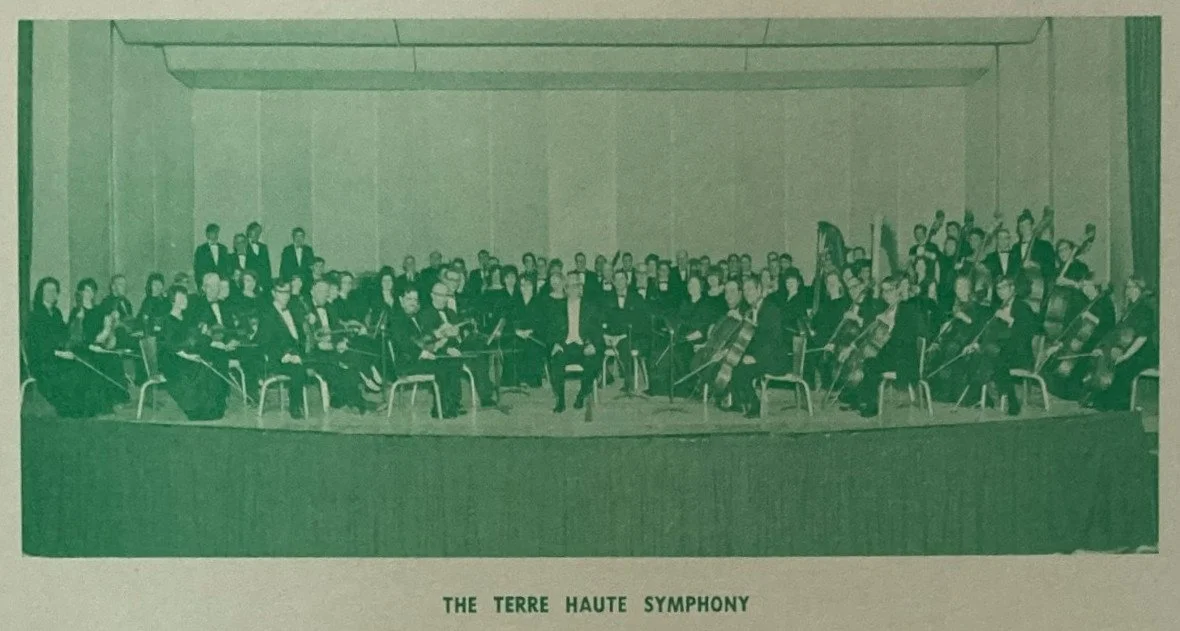
Read MoreIf Will Bryant’s era was about the birth and early survival of the Terre Haute Symphony Orchestra, then Jim Barnes’ era was about expansion, growth, and maturity. Barnes brought the orchestra into its adolescence or early adulthood, as it were, a period in which the orchestra further consolidated and established itself as an elite arts institution in the community.
Read MoreJim Barnes assumed leadership of the Terre Haute Civic and Teachers College Symphony Orchestra in late summer 1949. He brought with him not only a desire to see his new orchestra grow and mature, but also a passion to expand its outreach to young people, especially young musicians. In partnership with the THSOA Board of Directors, these passions manifested in expanded visits to local schools, small monetary scholarships to teenaged musicians, and — most prominently — an annual Young Artist Contest featuring some of the brightest emerging stars of the Wabash Valley music community.
In the previous blogpost, we briefly examined the first winner of that competition: David Kaiserman, student of the symphony’s own Vivien Bard. Today we will look at the nearly decade-long run of the contest and some of the young talent it spotlighted.
As we will see, it began and ended with David Kaiserman.
Read MoreDaniel Powers has been the official Composer-in-Residence for the Terre Haute Symphony Orchestra for more than thirty years. During that time, the THSO has premiered his overtures, concertos, arrangements, re-orchestrations, and more. We have been very lucky to have him on the team for so long and have benefited greatly from his talent and generosity over the years.
Dan is not the THSO’s first resident composer, however. Vivien Bard was as close to a composer-in-residence as existed in early decades of the THSO. Today we introduce Professor Bard and recount her extraordinary thirty-year service to our orchestra as composer, performer, board member, Vice President, and more.
Read MoreToday’s blog post features a number of photos that should have found their way into prior postings, but are still worth sharing!
Read MoreWill Bryant’s resignation in August 1949 surprised the THSOA board, who had never had to replace a conductor before and now faced a host of unanswered questions and unprecedented challenges. Chief among them, surely: would the orchestra survive losing its founder?
They found their new conductor in the viola section.
Read MoreWilliam Henry Bryant, the THSO’s first conductor, was more than just a workaday musician. He was equal parts Johnny Appleseed, entrepreneur, and true believer. For Bryant, a new musical enterprise was always in the works and always being pursued with missionary zeal. That combination of energies made him an ideal founder for our orchestra, a tireless advocate during hard times, and a champion for sustaining the work long-term. And until David Bowden surpassed him around 2020, Bryant was also the longest serving conductor in THSO history, having been on the podium for 23 years. Today we trace his journey to that podium… and his final bow atop it.
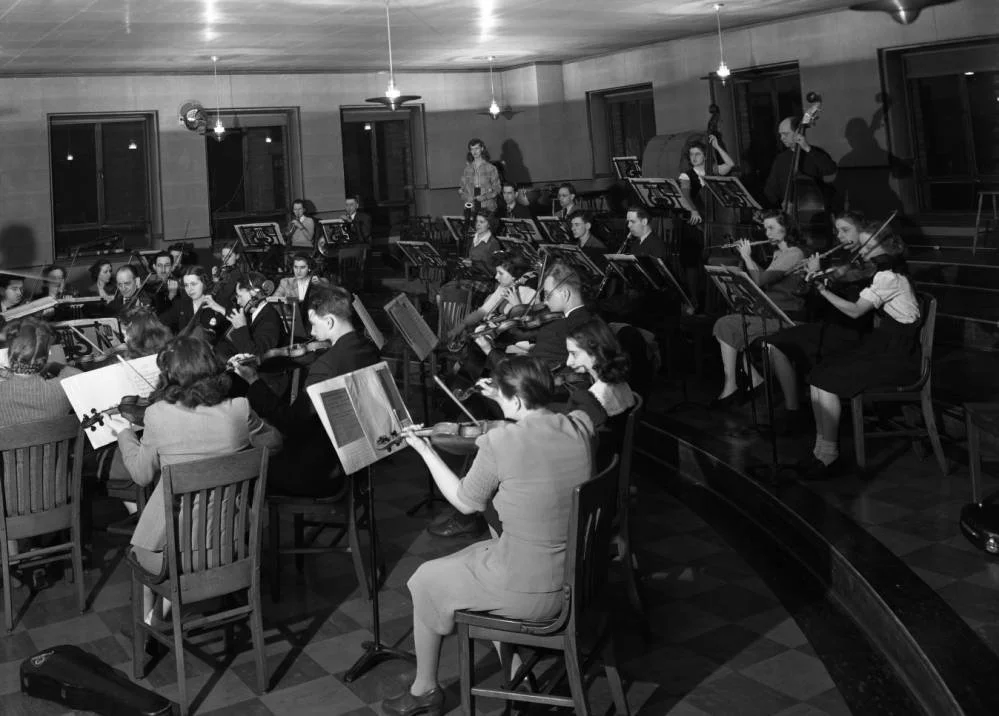
Read MoreAfter surviving the Great Depression and reorganizing for long-term stability, the THSO renamed itself the Terre Haute Civic and Teachers College Symphony Orchestra in 1939 and appeared better poised to endure the challenges of the next decade.
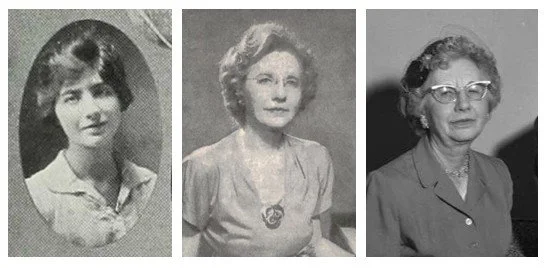
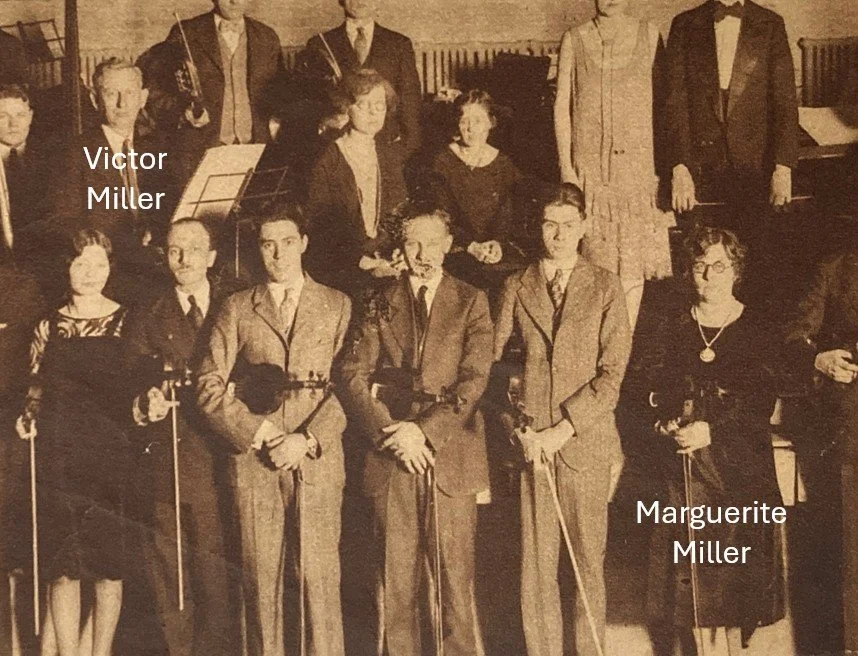
Read MoreAlthough Arthur Hill was elected the first THSO Concertmaster in spring 1926, it was Mrs. Marguerite Miller who was concertmaster for the orchestra’s inaugural concert that next December. Mrs. Victor C. Miller, as Marguerite was more widely known, was a pillar of the city’s string-playing community as a performer, ensemble director, and studio teacher.
Read MoreThe Terre Haute Symphony Orchestra survived the worst years of the Great Depression by retreating from public view. Then, after its reemergence, it had to face new questions about what it meant to survive — and to thrive — as an arts institution. This second part traces how the orchestra gradually revived and reorganized itself, setting new precedents that continue to define it today.
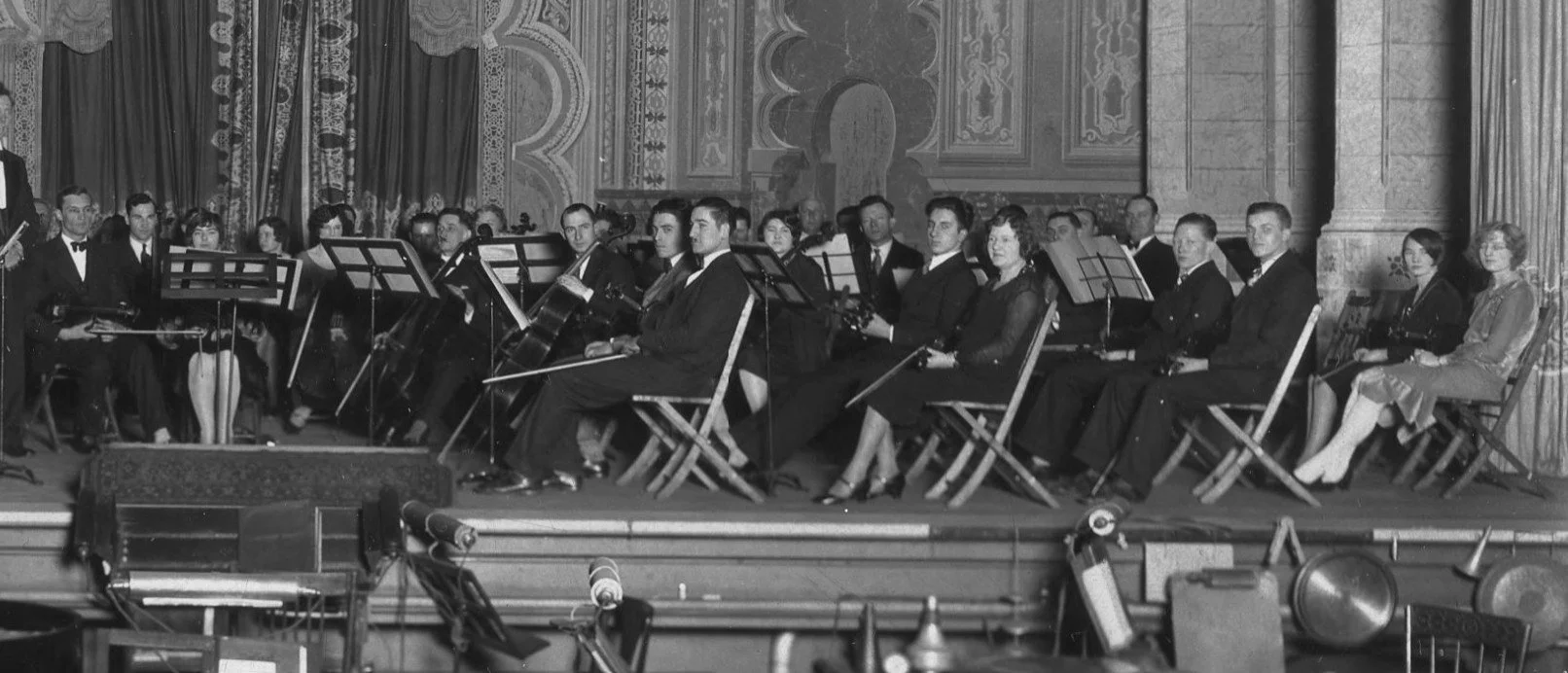
Read MoreThe THSO began weekly rehearsals at the Indiana Theatre on the morning of Wednesday, March 24, 1926, 100 years ago last Tuesday!
Read MoreIn celebratory times — anniversaries, transitions, and so on — an orchestra’s health and longevity might seem inevitable. To those working tirelessly within it, however, surviving is never guaranteed, much less thriving. The perseverance of the Terre Haute Symphony Orchestra in its first decade testifies to the vision and creativity of its leaders, as well as the importance of strategic partnerships with its community.
Read More